How to Store Aluminium Sulphate Properly: Storage and Handling Guide for Industrial Buyers
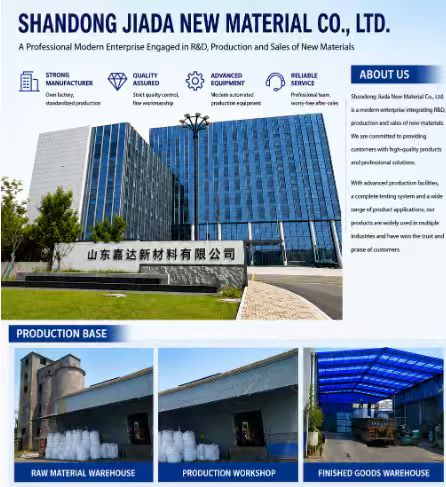
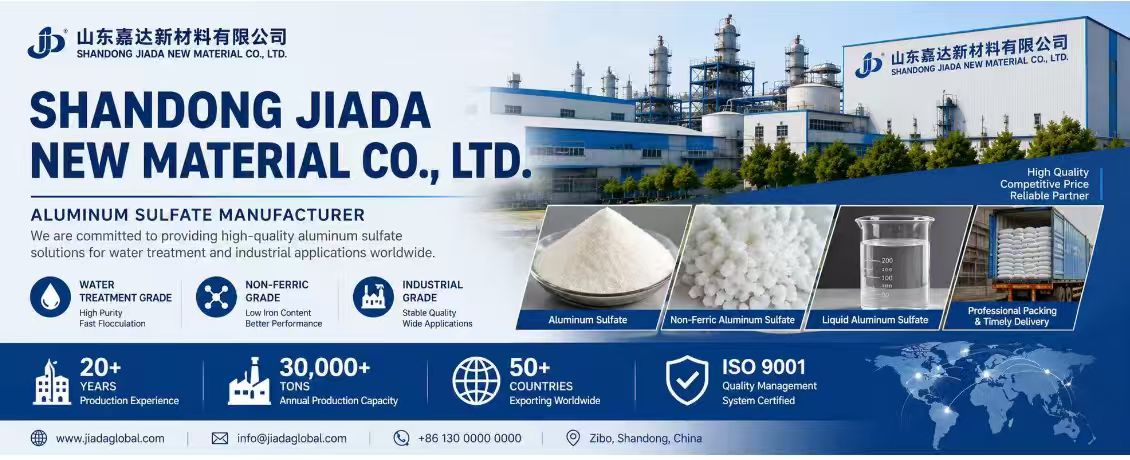
Proper Storage of Aluminium Sulphate Aluminium sulphate is widely used in water treatment, wastewater treatment, paper manufacturing, and other industrial applications. For industrial buyers, purchasing the right product is only part of the process. Proper storage and handling are also important for maintaining product quality before use. Aluminium sulphate should generally be stored in a dry, clean, and well-protected environment, with appropriate packaging and protection from excessive moisture. Poor storage conditions may affect the physical condition of the product and make handling more difficult. Shandong Jiada New Material Co., Ltd. is a professional aluminium sulphate manufacturer in China, supplying aluminium sulphate for water treatment, wastewater treatment, paper manufacturing, and international industrial customers.
Why Proper Storage Matters Aluminium sulphate is commonly supplied as a solid product. During transportation and storage, exposure to moisture can affect its physical condition. Potential problems may include: Caking Increased lump formation Reduced flowability More difficult dosing Packaging damage Handling inconvenience These issues do not necessarily mean that the chemical composition has completely changed, but they can make the product more difficult to handle and use. For large-volume buyers, proper warehouse management is therefore important.
Keep Aluminium Sulphate in a Dry Environment The storage area should be protected from: Rain Direct water exposure High humidity Leaking roofs Condensation The warehouse should remain dry and suitable for chemical products. If the product is stored in a humid environment for an extended period, moisture absorption can increase the risk of caking.
Keep the Original Packaging Intact Aluminium sulphate should preferably remain in its original sealed packaging until it is ready for use. Common packaging options include: 25kg bags 500kg bags 1000kg jumbo bags Damaged packaging can allow moisture to enter. Warehouse personnel should therefore inspect bags and containers during receiving and storage.
Use Pallets When Appropriate For bagged aluminium sulphate, using pallets can help reduce direct contact between the packaging and the warehouse floor. This can provide additional protection against: Floor moisture Water leakage Dirt Packaging damage Palletized storage can also make warehouse handling easier.
Avoid Direct Exposure to Water Aluminium sulphate should not be stored where it can come into direct contact with: Rainwater Standing water Leaking pipes Wet floors Even if the external packaging appears intact, prolonged exposure to a humid environment can affect product handling characteristics.
Follow a First-In, First-Out System For industrial warehouses, a FIFO system can help manage inventory. FIFO means: First In, First Out Products received earlier are used earlier. This approach can help reduce unnecessarily long storage periods and improve inventory management.
Avoid Unnecessary Packaging Damage During loading, unloading, and internal transportation, workers should avoid: Dropping bags Dragging bags across rough surfaces Using damaged pallets Excessive compression Improper stacking Careful handling helps maintain packaging integrity.
Consider Warehouse Ventilation A suitable warehouse should have appropriate ventilation and environmental control. The objective is to maintain a stable and dry storage environment rather than exposing the product to unnecessary moisture. Storage practices should also follow the supplier’s SDS and local workplace safety requirements.
How Long Can Aluminium Sulphate Be Stored? Storage life depends on: Product specification Packaging Warehouse conditions Temperature Humidity Exposure to moisture A supplier’s technical documentation should be consulted for product-specific storage recommendations. In practice, maintaining a dry environment and intact packaging is important for preserving the physical quality of solid aluminium sulphate.
What Happens If Aluminium Sulphate Becomes Caked? Caking can occur when solid chemical products are exposed to moisture or unfavorable storage conditions. Caked material may be: More difficult to transport More difficult to feed into dosing equipment Slower to dissolve More difficult to handle manually The appropriate handling method depends on the degree of caking and the customer’s equipment. Prevention is generally easier than dealing with severely caked material.
Storage Considerations for Large Aluminium Sulphate Purchases Large industrial buyers may purchase: Several tons Dozens of tons Hundreds of tons at a time. For these customers, warehouse planning becomes increasingly important. Before importing a large quantity, buyers should consider: Warehouse Capacity How many tons can be safely stored? Packaging Which packaging is suitable for the handling system? Humidity Can the warehouse maintain a dry environment? Pallets Are pallets available? Stock Rotation How quickly will the product be consumed? Delivery Schedule Can shipments be divided into multiple deliveries if necessary?
Aluminium Sulphate Transportation During transportation, buyers should also consider moisture protection. For international shipments, important considerations include: Appropriate packaging Container condition Protection from water Loading method Palletization when required Proper documentation The exact transportation method depends on the destination, packaging, quantity, and shipping conditions.
What Should Buyers Ask the Supplier? Before placing a large order, international buyers can ask: What packaging do you recommend? Is the product suitable for container shipment? What are the recommended storage conditions? Can you provide an SDS? Can you provide a recent COA? What is the normal production lead time? Can shipments be arranged according to warehouse capacity? These questions can help buyers plan procurement more efficiently.
Shandong Jiada Aluminium Sulphate Supply Shandong Jiada New Material Co., Ltd. supplies aluminium sulphate to customers in China and international markets. The company can support customers with: Product specifications Packaging options COA SDS TDS Export documentation International shipment coordination Aluminium sulphate is supplied for applications including: Water treatment Wastewater treatment Paper manufacturing Industrial processing Chemical distribution For large-volume customers, packaging and delivery arrangements can be discussed according to project requirements.
Conclusion Proper storage is an important part of aluminium sulphate purchasing and use. Industrial buyers should focus on: Dry storage + intact packaging + moisture protection + appropriate handling + inventory management For large-volume imports, warehouse capacity and delivery scheduling should also be considered before placing an order. Good storage practices can help maintain the physical condition of aluminium sulphate and make subsequent handling and dosing more convenient. For international customers looking for a reliable aluminium sulphate manufacturer in China, Shandong Jiada New Material Co., Ltd. provides aluminium sulphate products together with packaging, documentation, and export supply support.