Aluminium Sulphate vs Ferric Chloride: Choosing the Right Coagulant for Water Treatment
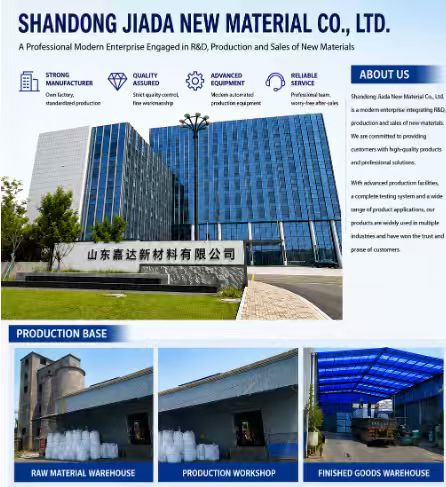
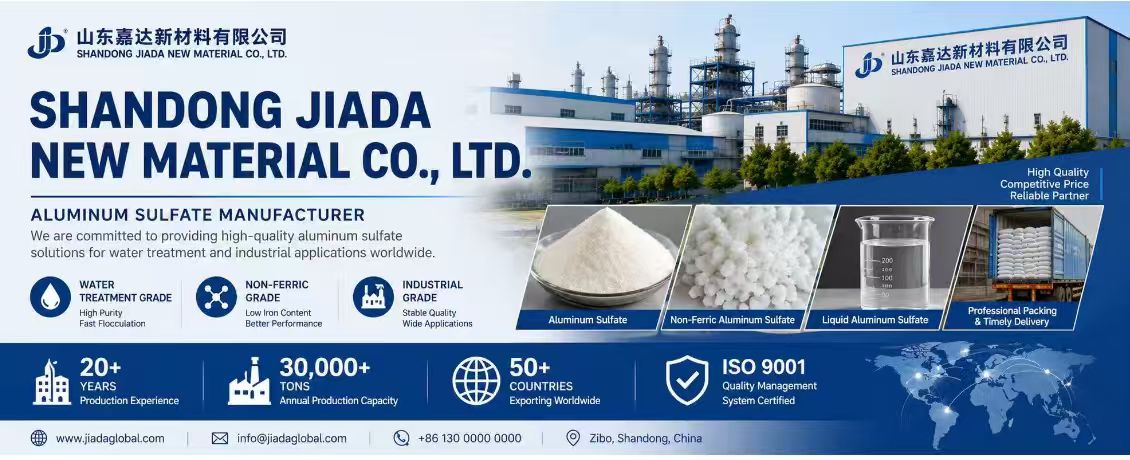
Comparing Aluminium Sulphate and Ferric Chloride in Water Treatment Coagulation is one of the most important processes in water and wastewater treatment. Among various coagulants, aluminium sulphate and ferric chloride are two widely used inorganic chemicals. Both products can help remove: Suspended solids Turbidity Organic particles Certain pollutants However, they have different characteristics and application advantages. Understanding the differences between aluminium sulphate and ferric chloride helps water treatment companies select the most suitable chemical solution. Shandong Jiada New Material Co., Ltd. is a professional aluminium sulphate manufacturer in China, providing reliable coagulation chemicals for global water treatment applications.
What Is Aluminium Sulphate? Aluminium sulphate is an aluminium-based inorganic coagulant commonly used in: Drinking water treatment Municipal wastewater treatment Industrial wastewater treatment Paper manufacturing It works by forming aluminium hydroxide flocs that capture suspended particles and impurities.
What Is Ferric Chloride? Ferric chloride is an iron-based coagulant used in many wastewater treatment applications. It is commonly applied in: Industrial wastewater Sludge treatment Phosphorus removal processes Ferric chloride forms iron hydroxide flocs during treatment.
Key Differences Between Aluminium Sulphate and Ferric Chloride
- Chemical Composition Aluminium Sulphate Main component: Aluminium-based compounds Creates aluminium hydroxide flocs.
Ferric Chloride Main component: Iron-based compounds Creates ferric hydroxide flocs.
- Application Range Aluminium Sulphate Applications Commonly used for: ✅ Drinking water treatment ✅ Municipal water plants ✅ General wastewater treatment ✅ Paper industry
Ferric Chloride Applications Commonly used for: ✅ Industrial wastewater ✅ Heavy pollution treatment ✅ Sludge conditioning ✅ Phosphorus removal
Color Impact Aluminium sulphate generally has less impact on treated water color. Ferric chloride may leave a yellow or brown color if not properly controlled due to iron content.
pH Influence Both chemicals affect water chemistry. Operators usually need to consider: Raw water conditions Required pH range Treatment objectives
Cost Consideration The overall cost depends on: Chemical price Required dosage Treatment efficiency Sludge handling costs The cheapest chemical price does not always mean the lowest operating cost.
When Should You Choose Aluminium Sulphate? Aluminium sulphate is often preferred when customers need: Drinking Water Applications Because of its established use in water purification.
General Wastewater Treatment Suitable for many municipal and industrial systems.
Stable and Economical Solution Provides reliable coagulation performance with reasonable cost.
When Should You Choose Ferric Chloride? Ferric chloride may be considered for: Certain industrial wastewater Strong phosphorus removal requirements Specific sludge treatment applications
How to Select the Right Coagulant? Water treatment operators should evaluate: 1. Water Quality Consider: Turbidity Organic matter Pollutant type
Treatment Goals Determine whether the priority is: Clarification Color reduction Phosphorus removal Sludge improvement
Testing Results Laboratory jar testing helps identify the best chemical choice.
Why Aluminium Sulphate Remains a Popular Choice Aluminium sulphate continues to be widely used because of: ✅ Long application history ✅ Reliable coagulation performance ✅ Easy availability ✅ Competitive cost ✅ Wide industrial acceptance
Why Choose Shandong Jiada Aluminium Sulphate? Shandong Jiada New Material Co., Ltd. provides: ✅ Professional aluminium sulphate manufacturing ✅ Stable product quality ✅ Large production capacity ✅ Export supply experience ✅ Technical communication support The company serves: Water treatment companies Environmental engineering firms Industrial customers Chemical distributors worldwide
Conclusion Both aluminium sulphate and ferric chloride are important water treatment coagulants. The best choice depends on: Water quality Treatment requirements Operating conditions Cost considerations For many drinking water and general wastewater applications, aluminium sulphate remains a reliable and economical solution. Shandong Jiada provides professional aluminium sulphate products and global supply services for customers seeking stable water treatment chemicals.