Aluminium Sulphate vs PAC: Which Water Treatment Chemical Is Better?
🌐 When selecting water treatment chemicals, many customers compare aluminium sulphate and poly aluminium chloride (PAC) to determine which product is more suitable for their applications. Both aluminium sulphate and PAC are widely used inorganic coagulants in water purification and wastewater treatment. However, they have different characteristics, application advantages, and cost considerations. Understanding the differences between these two chemicals can help water treatment companies, industrial users, and engineering projects choose the right solution.
What Is Aluminium Sulphate? Aluminium sulphate, also known as alum, is one of the most commonly used traditional coagulants worldwide. It works by reacting with water to form aluminium hydroxide flocs, which capture suspended particles, organic matter, and impurities. These particles then settle through sedimentation and filtration processes. Aluminium sulphate is widely used because of its: Stable coagulation performance Cost-effectiveness Simple application process Long history of industrial use Common applications include: Drinking water purification Industrial wastewater treatment Paper manufacturing Textile wastewater treatment
What Is PAC (Poly Aluminium Chloride)? Poly aluminium chloride is another widely used inorganic coagulant with higher aluminium polymerization. PAC generally provides faster floc formation and can perform well under certain water conditions, especially when treating water with high turbidity. Its advantages include: Faster coagulation speed Lower dosage requirements in some applications Good performance in cold water conditions Reduced sludge production in some cases
Key Differences Between Aluminium Sulphate and PAC 1. Cost Aluminium sulphate is usually more economical and suitable for large-scale water treatment projects where cost control is important. PAC may have a higher purchasing cost but can provide advantages in specific treatment conditions. 2. Application Range Aluminium sulphate is widely used in municipal water plants, industrial wastewater systems, and paper industries. PAC is often selected for applications requiring faster treatment efficiency or special water conditions. 3. Water Quality Requirements The choice depends on raw water characteristics, treatment goals, and operational requirements. Professional water treatment engineers usually evaluate water quality before selecting the most suitable coagulant.
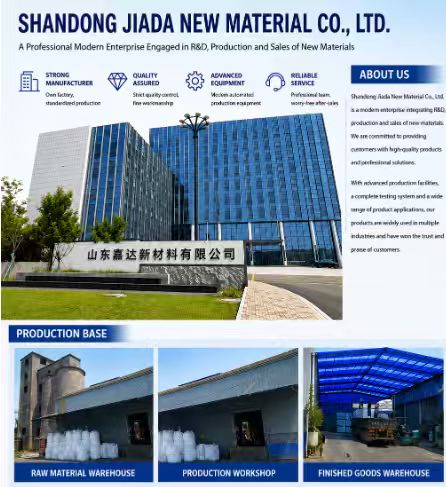
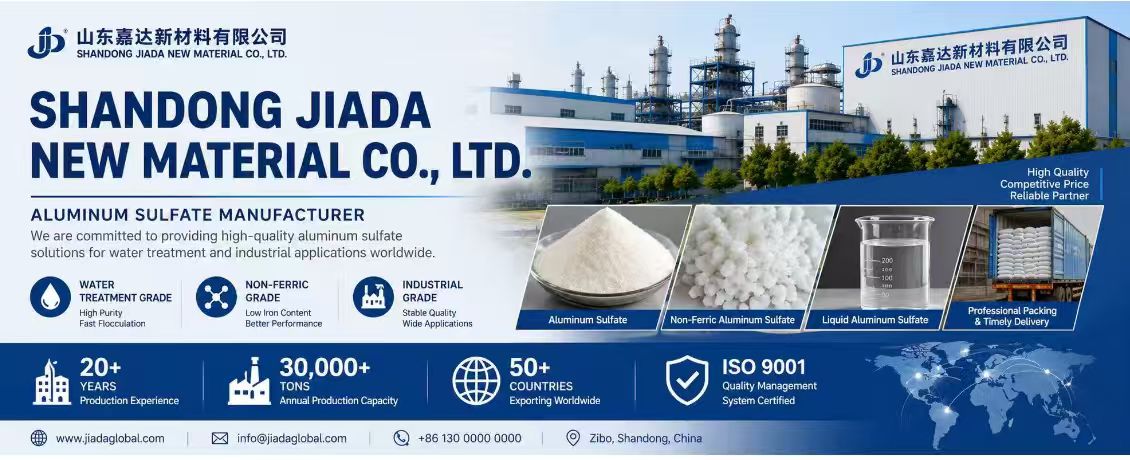
Why Choose Shandong Jiada Aluminium Sulphate? Shandong Jiada New Material Co., Ltd. specializes in manufacturing iron-free aluminium sulphate and industrial-grade aluminium sulphate. The company provides stable-quality products for: Municipal water treatment plants Industrial wastewater projects Paper and pulp industries Environmental engineering companies With professional production experience, strict quality control, and reliable export services, Shandong Jiada helps global customers select suitable aluminium sulphate solutions according to their application needs.
Conclusion There is no single chemical that is suitable for every water treatment project. Aluminium sulphate and PAC both have their own advantages. For customers looking for a cost-effective, stable, and widely used water treatment coagulant, aluminium sulphate remains an excellent choice. Shandong Jiada continues to provide reliable aluminium sulphate products and professional support for global water treatment industries.