How to Store Aluminium Sulphate Properly: A Practical Guide for Buyers
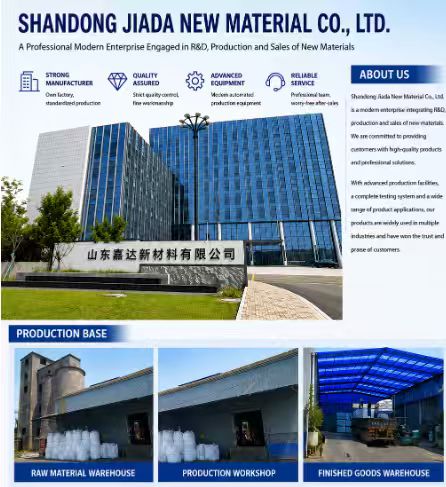
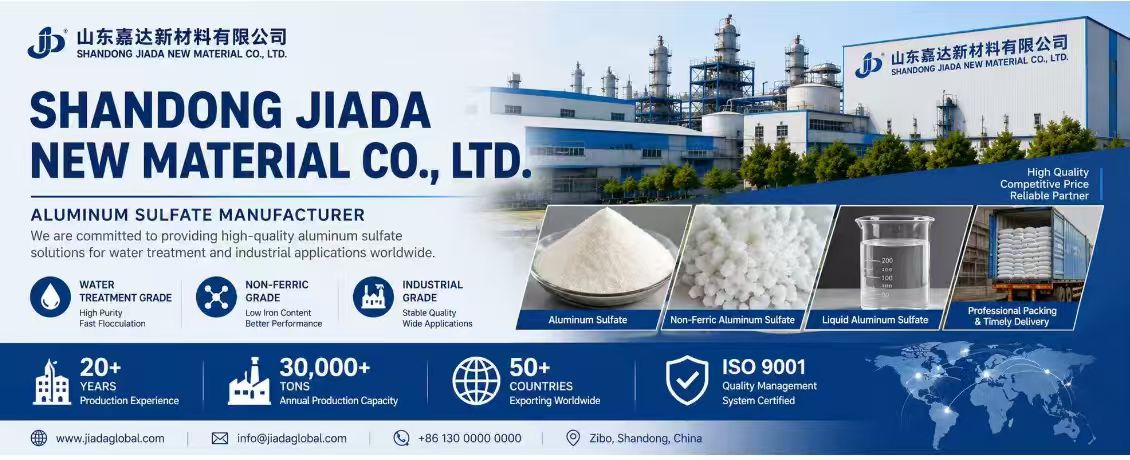
Proper Storage of Aluminium Sulphate Proper storage is an important part of aluminium sulphate handling. Whether aluminium sulphate is purchased for water treatment, wastewater treatment, paper manufacturing, or other industrial applications, suitable storage conditions can help maintain product quality and make daily handling more convenient. International buyers should consider: Moisture protection Warehouse conditions Packaging integrity Stacking Ventilation Handling equipment Storage duration First-in, first-out inventory management The exact storage requirements should always follow the product’s applicable safety documentation and supplier recommendations. Shandong Jiada New Material Co., Ltd. supplies aluminium sulphate for industrial and water treatment applications and can discuss packaging and storage requirements with customers.
Keep Aluminium Sulphate Dry One of the most important principles is: Keep the product dry. Aluminium sulphate should be protected from unnecessary exposure to moisture during storage. A humid environment may affect the physical condition of solid products and can contribute to: Caking Hardening Difficult handling Changes in physical flowability Therefore, customers should choose a dry storage area whenever possible.
Protect the Original Packaging The original packaging provides an important barrier between the product and the external environment. During storage, buyers should check whether bags are: Properly sealed Free from damage Protected from rain Protected from direct water contact Properly labeled If a bag is damaged, the product should be handled according to the supplier’s instructions and applicable safety procedures.
Choose an Appropriate Warehouse A suitable warehouse should provide: Dry + Clean + Organized Storage The storage area should minimize exposure to: Rain Water Excessive humidity Contamination Physical damage The product should not simply be placed outdoors without suitable protection.
Avoid Direct Contact with Water Aluminium sulphate is a water-soluble chemical. Therefore, direct contact with water can change the physical condition of the product. For solid aluminium sulphate, exposure to moisture may make the material more difficult to handle. This is particularly important during: Warehouse storage Container unloading Transportation Rainy-season operations
Do Not Place Bags Directly on a Wet Floor Warehouse floors should be dry and suitable for chemical storage. Where appropriate, pallets or other suitable storage systems can help keep packaging away from wet floors. Customers should choose storage methods based on: Packaging type Warehouse design Forklift operations Local safety requirements
Consider Stacking Height The appropriate stacking arrangement depends on: Bag size Packaging strength Pallet configuration Warehouse conditions Handling equipment Customers should avoid unstable or excessively high stacks. For jumbo bags, appropriate lifting and stacking procedures are particularly important. The supplier’s packaging recommendations should be followed.
Maintain Good Warehouse Organization Good inventory management helps prevent: Damaged bags Long-term storage Product mix-ups Difficult stock counting A simple system can include: Batch Number + Production Date + Quantity + Storage Location This is especially useful for industrial customers purchasing multiple batches.
Use FIFO Inventory Management For regular buyers, FIFO can be useful. FIFO means: First In, First Out In simple terms: Earlier received material is used before newer material. This can help customers manage inventory and reduce unnecessary long-term storage.
Different Physical Forms May Require Different Handling Aluminium sulphate may be supplied in different physical forms, including: Powder Granular material Other solid forms The physical characteristics can influence: Handling Feeding Dissolution Dust management Storage Therefore, customers should follow the product-specific instructions provided by the supplier.
Storage During International Transportation International aluminium sulphate shipments may spend time in: Factory warehouses Ports Containers Distribution warehouses Customer warehouses During this process, protecting the packaging from water and excessive humidity remains important. Before shipment, buyers can discuss: Packaging material Inner liner Sealing Palletization Container loading Moisture protection
Storage for Water Treatment Plants Water treatment plants may consume aluminium sulphate continuously. Therefore, they often need to maintain: Current Inventory + Safety Stock The warehouse should have enough capacity for the expected delivery cycle. For example, if a plant consumes: 30 MT/month and receives one shipment every month, the procurement team may need to maintain sufficient inventory to cover the period between deliveries. The actual safety stock should be determined according to the plant’s consumption, delivery reliability, storage capacity, and procurement plan.
Storage for Chemical Distributors Chemical distributors may store aluminium sulphate for longer periods before resale. They should pay particular attention to: Packaging integrity Warehouse humidity Stock rotation Batch identification Customer-specific packaging Inventory records A well-organized warehouse can make product management much easier.
What Should Buyers Check When Receiving a Shipment? When aluminium sulphate arrives, buyers can inspect: Packaging Is the bag intact? Is the seal secure? Is there visible water damage? Product Does the physical appearance match expectations? Is there unusual caking? Is the product contaminated? Documentation Batch information COA Packing List Bill of Lading Other agreed documents If there is a significant problem, the buyer should document the condition and contact the supplier promptly.
Storage and Product Quality Proper storage is one part of maintaining product condition. However, product quality also depends on: Manufacturing + Packaging + Transportation + Storage A high-quality product can still experience handling problems if it is exposed to unsuitable storage conditions. Therefore, both supplier and customer should pay attention to the complete supply chain.
Practical Aluminium Sulphate Storage Checklist Item Recommendation Warehouse Dry and clean Moisture Minimize exposure Packaging Keep intact Water contact Avoid Floor Keep dry Stacking Stable and appropriate Inventory Record batches Stock rotation FIFO where appropriate Handling Use suitable equipment Documentation Keep batch records
Shandong Jiada Aluminium Sulphate Packaging and Supply Shandong Jiada New Material Co., Ltd. supplies aluminium sulphate for international and domestic customers. Customers can discuss: Product specifications Powder aluminium sulphate Granular aluminium sulphate Packaging options 25kg bags 500kg bags 1000kg jumbo bags Container loading Storage requirements COA TDS SDS Export documentation For specific handling and storage questions, customers should follow the applicable SDS and product-specific supplier instructions.
Conclusion Proper storage can help maintain the physical condition and usability of aluminium sulphate. The key principles are: Keep dry + Protect packaging + Avoid water contact + Store safely + Manage inventory For long-term industrial purchasing, buyers should also maintain: Batch records + Stock rotation + Appropriate storage capacity The complete product supply chain includes: Manufacturing → Packaging → Transportation → Storage → Application Good management at each stage helps reduce unnecessary handling and inventory problems.