How to Use Aluminium Sulphate in Water Treatment: Dosage, Mixing and Flocculation Guide
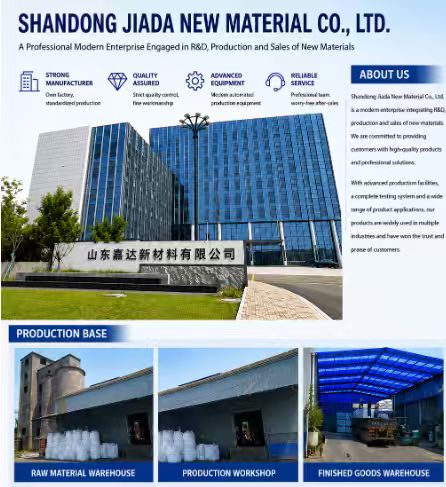
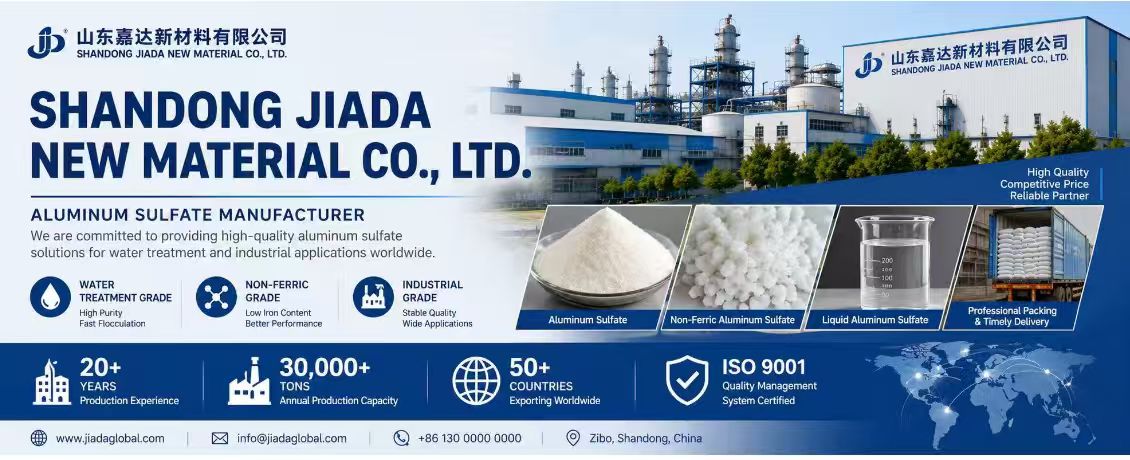
Understanding Aluminium Sulphate Application in Water Treatment Aluminium sulphate is widely used as a coagulant in municipal water treatment, industrial wastewater treatment, and other water clarification processes. However, purchasing the right product is only one part of successful water treatment. Dosage, mixing conditions, pH, water quality, and flocculation performance can all influence the final treatment result. For this reason, water treatment operators should determine the appropriate operating conditions through laboratory testing and process evaluation rather than relying on a fixed dosage for every water source. Shandong Jiada New Material Co., Ltd. is a professional aluminium sulphate manufacturer in China, supplying aluminium sulphate for water treatment customers and international chemical distributors.
What Does Aluminium Sulphate Do in Water Treatment? Aluminium sulphate works primarily as a coagulant. When added under suitable conditions, it can help destabilize fine suspended particles and promote the formation of larger flocs. These flocs can then be removed through processes such as: Sedimentation Dissolved air flotation Filtration The actual performance depends on the characteristics of the water and the treatment system.
Step 1: Test the Raw Water Before determining aluminium sulphate dosage, water treatment operators should understand the raw water characteristics. Important parameters may include: Turbidity Suspended solids pH Alkalinity Organic matter Temperature Color Different water sources can respond differently to the same coagulant.
Step 2: Conduct a Jar Test A laboratory jar test is commonly used to evaluate coagulation performance. Operators can test different aluminium sulphate concentrations and compare: Floc formation Floc size Settling speed Water clarity Turbidity reduction Jar testing helps identify a practical operating range before full-scale application.
Step 3: Control Aluminium Sulphate Dosage There is no universal dosage suitable for every water treatment project. The required dosage can change according to: Raw water quality Seasonal conditions Treatment objectives pH Coagulant concentration Existing treatment equipment Using more chemical does not automatically mean better treatment. Overdosing may increase chemical consumption and sludge production, while insufficient dosing may result in poor floc formation.
Step 4: Ensure Proper Mixing After aluminium sulphate is added, rapid mixing is important for distributing the chemical throughout the water. The mixing stage should provide sufficient contact between: Coagulant Water Suspended particles Poor mixing can result in uneven treatment.
Step 5: Allow Flocculation After rapid mixing, water typically enters a slower mixing stage. During flocculation, destabilized particles gradually combine into larger flocs. The goal is to create flocs that are: Large enough to separate Strong enough to withstand handling Suitable for the following sedimentation or filtration process
Step 6: Sedimentation or Flotation Once suitable flocs have formed, the treatment system can separate them from the water. Common technologies include: Sedimentation Heavier flocs settle at the bottom of a clarification tank. Dissolved Air Flotation Flocs can be lifted to the water surface by fine air bubbles. The preferred process depends on the specific wastewater or water treatment system.
Step 7: Monitor the Final Water Quality After treatment, operators can monitor: Turbidity pH Color Suspended solids Other project-specific parameters Regular monitoring helps identify changes in raw water quality and determine whether process adjustments are necessary.
Common Problems When Using Aluminium Sulphate Poor Floc Formation Possible causes include: Incorrect dosage Unsuitable pH Inadequate mixing Changes in raw water quality
Excessive Chemical Consumption Possible reasons include: Overdosing Poor process control Inaccurate testing Optimizing dosage can help reduce unnecessary chemical consumption.
Slow Settling If flocs remain too small or weak, sedimentation may become less efficient. Operators should evaluate: Coagulant dosage Mixing conditions Flocculation time Water chemistry
How to Choose an Aluminium Sulphate Supplier Professional buyers should evaluate more than price. Important considerations include: Product Quality Check: Chemical specifications Aluminium oxide content Iron content Insoluble matter Moisture Supply Capacity For large projects, stable supply is essential. Packaging Common options include: 25kg bags 500kg bags 1000kg jumbo bags Documentation International buyers may require: COA TDS SDS Commercial documents
Why Choose Shandong Jiada? Shandong Jiada New Material Co., Ltd. provides aluminium sulphate for international water treatment customers. The company focuses on: ✅ Stable product quality ✅ Large-scale manufacturing ✅ Flexible packaging ✅ Export supply ✅ Long-term customer cooperation Applications include: Municipal water treatment Industrial wastewater treatment Water purification Paper industry Chemical distribution
Conclusion Using aluminium sulphate effectively requires more than simply adding a chemical to water. Successful coagulation depends on: Raw water characteristics Proper dosage pH conditions Mixing Flocculation Separation technology Continuous monitoring Laboratory testing and process optimization are important for determining suitable operating conditions. For international buyers looking for a reliable aluminium sulphate manufacturer in China, Shandong Jiada New Material Co., Ltd. provides stable products, professional export packaging, and long-term supply support.