Aluminium Sulphate vs Ferric Chloride: Understanding the Differences in Water Treatment
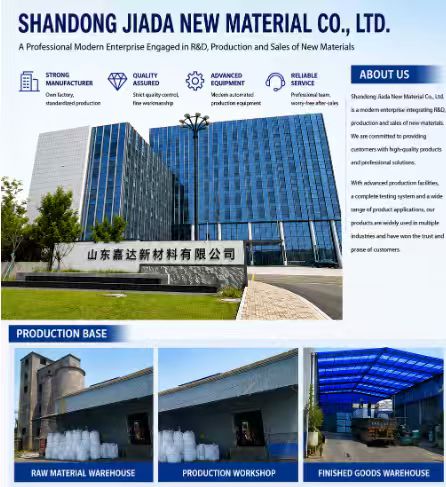
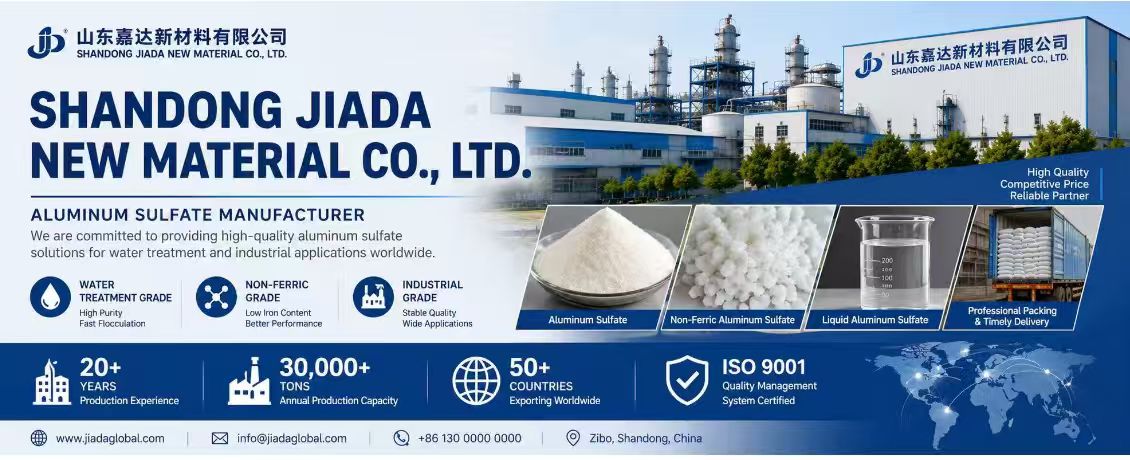
Choosing Between Aluminium Sulphate and Ferric Chloride Water treatment plants often evaluate different coagulants according to raw water characteristics, treatment objectives, operating conditions, and total treatment cost. Two commonly used inorganic coagulants are: Aluminium sulphate Ferric chloride Both can support coagulation and flocculation, but their chemical characteristics and treatment behavior are different. Understanding these differences can help water treatment engineers and chemical buyers select a product according to their actual process requirements. Shandong Jiada New Material Co., Ltd. is a professional aluminium sulphate manufacturer in China, supplying aluminium sulphate for water treatment, wastewater treatment, paper manufacturing, and industrial applications.
What Is Aluminium Sulphate? Aluminium sulphate is an aluminium-based inorganic coagulant widely used in: Drinking water treatment Municipal water treatment Industrial wastewater treatment Paper manufacturing Water clarification When added under appropriate conditions, it can promote the destabilization of suspended particles and the formation of flocs.
What Is Ferric Chloride? Ferric chloride is an iron-based inorganic coagulant. It is also used in: Municipal wastewater treatment Industrial wastewater treatment Sludge treatment Phosphorus removal Water clarification Its performance is influenced by wastewater chemistry, pH, dosage, and process conditions.
Key Differences Between Aluminium Sulphate and Ferric Chloride 1. Chemical Composition The main difference is the metal component. Aluminium sulphate: aluminium-based coagulant. Ferric chloride: iron-based coagulant. This difference affects their chemical behavior during treatment.
Typical Application Areas Aluminium sulphate is commonly associated with: Conventional water purification Drinking water treatment Paper manufacturing General wastewater treatment Ferric chloride is frequently used in: Wastewater treatment Phosphorus removal Sludge conditioning Industrial wastewater applications Actual suitability depends on the specific treatment process.
pH and Alkalinity Considerations Both coagulants interact with water chemistry. Treatment performance can be affected by: pH Alkalinity Temperature Raw water composition Therefore, the same dosage cannot be applied universally. Water treatment operators should evaluate the actual water chemistry before selecting a treatment program.
Color and Water Appearance Coagulation can influence the color and appearance of treated water. The performance of aluminium-based and iron-based coagulants varies depending on: Type of color-causing substances Organic matter pH Dosage Other treatment chemicals Laboratory testing can help determine which product performs better under a specific water condition.
Sludge Characteristics Coagulation produces chemical sludge. The amount and characteristics of sludge can vary depending on: Coagulant type Dosage Raw water quality Treatment process Sludge handling should therefore be considered when evaluating the total treatment system.
Aluminium Sulphate: Common Advantages Depending on the application, aluminium sulphate can offer: Established Water Treatment Use It has been used in conventional water treatment systems for many years. Broad Application Range It can be used across water purification, wastewater treatment, and paper manufacturing. Established Supply Chain Aluminium sulphate is produced and distributed in many markets worldwide.
Ferric Chloride: Common Application Characteristics Ferric chloride can be useful where treatment systems require iron-based coagulation. It is commonly considered for applications involving: Wastewater clarification Phosphorus removal Sludge conditioning Certain industrial wastewater streams However, the appropriate product depends on actual process requirements.
How Should Buyers Compare the Two? Instead of comparing only the price per ton, buyers should evaluate: Required dosage Treatment performance pH requirements Sludge production Chemical handling Storage Transportation Final treatment cost The lowest purchase price does not necessarily represent the lowest total treatment cost.
Laboratory Testing Is Important A jar test can compare aluminium sulphate and ferric chloride under the same water conditions. Testing can evaluate: Turbidity reduction Floc formation Settling performance Color reduction Chemical dosage Final water quality This provides practical data for selecting the appropriate coagulant.
Choosing an Aluminium Sulphate Supplier If aluminium sulphate is selected for a treatment project, buyers should evaluate: Product Specifications Including: Al₂O₃ content Iron content Insoluble matter Moisture Physical form Supply Capacity Large projects require stable production and delivery. Packaging Options may include: 25kg bags 500kg bags 1000kg jumbo bags Export Documentation International buyers may require: COA TDS SDS Packing List Commercial Invoice
Why Shandong Jiada? Shandong Jiada New Material Co., Ltd. specializes in aluminium sulphate manufacturing and international supply. The company provides: ✅ Stable product specifications ✅ Large-scale production ✅ Flexible packaging ✅ Export documentation support ✅ International logistics coordination The products are supplied for applications including: Water treatment Wastewater treatment Paper manufacturing Industrial processing Chemical distribution
Conclusion Aluminium sulphate and ferric chloride are both established inorganic coagulants, but they have different chemical characteristics and application profiles. The appropriate choice depends on: Water quality + treatment objective + dosage + pH + sludge management + total operating cost Laboratory testing under actual or representative water conditions is an effective way to evaluate treatment performance before making a large-scale purchasing decision. For customers who select aluminium sulphate for their application, Shandong Jiada New Material Co., Ltd. provides stable aluminium sulphate products and international export supply support.