Aluminium Sulphate COA: What Should International Buyers Check Before Purchasing?
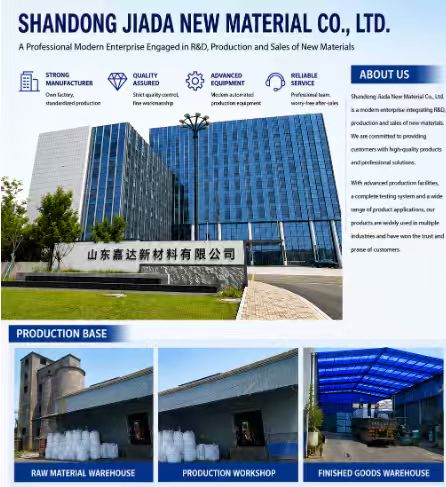
Understanding the Certificate of Analysis for Aluminium Sulphate When purchasing aluminium sulphate internationally, buyers often receive a Certificate of Analysis (COA) from the supplier. A COA is an important quality document because it provides information about the tested characteristics of a specific batch of product. However, not every buyer knows how to read an aluminium sulphate COA or which specifications are most important. For water treatment plants, paper manufacturers, chemical distributors, and industrial users, understanding the COA can help them compare suppliers and confirm whether a product meets their purchasing requirements. Shandong Jiada New Material Co., Ltd. supplies aluminium sulphate for water treatment, wastewater treatment, paper manufacturing, and international industrial customers.
What Is an Aluminium Sulphate COA? COA stands for: Certificate of Analysis It is a document showing quality test results for a particular product or batch. A typical aluminium sulphate COA may include: • Product name • Batch number • Production date • Al₂O₃ content • Iron content • Insoluble matter • Moisture • Appearance • Other customer-required specifications The exact items depend on the product specification and supplier.
Why Is the COA Important? A COA can help buyers verify whether the delivered product is consistent with the agreed specification. For international buyers, this is especially useful because the customer and supplier may be located in different countries. Before purchasing, buyers can compare: Contract specification → Supplier COA → Actual product This creates a clearer quality-control process.
- Check the Al₂O₃ Content Aluminium oxide equivalent, commonly shown as Al₂O₃, is one of the important parameters for aluminium sulphate. Buyers should check: • Required Al₂O₃ specification • Actual test result • Unit • Whether the value is a minimum requirement or typical value For example, if a purchase specification requires a minimum Al₂O₃ level, the COA should show whether the tested batch meets that requirement. ________________________________________
- Check Iron Content Iron content may be important for applications where product purity or water appearance is sensitive. The buyer should compare the COA result with the agreed specification. If a customer requires a low-iron aluminium sulphate product, the iron specification should be clearly stated before the order is placed. ________________________________________
- Check Insoluble Matter Insoluble matter indicates the proportion of material that remains undissolved under the specified test conditions. This parameter can be particularly relevant when customers require: • Cleaner dissolution • Lower residual solids • More consistent processing The buyer should compare the actual COA result with the agreed product specification. ________________________________________
- Check Moisture Moisture can affect the physical condition and handling characteristics of solid aluminium sulphate. Higher moisture may increase the risk of: • Caking • Difficult handling • Reduced flowability Therefore, moisture is another useful parameter to review when purchasing solid aluminium sulphate. ________________________________________
- Check Appearance and Physical Form The COA or product specification may also describe the physical appearance. Depending on the product, it may be supplied as: • Powder • Granular material • Lump material The physical form should match the customer’s dosing equipment and handling system. ________________________________________
- Check the Batch Number A professional COA should normally identify the relevant batch. The batch number helps connect: Product → Production record → Quality test → Shipment For large international orders, batch identification can be useful for quality management and traceability. ________________________________________
- Check the Production Date The production date can help the buyer understand when the product was manufactured. This is particularly useful for: • Inventory management • Shipment planning • Warehouse management • Quality traceability The buyer should also follow the supplier’s recommended storage conditions. ________________________________________ COA vs TDS vs SDS International buyers may receive several technical documents from a chemical supplier. They serve different purposes. COA Certificate of Analysis Primarily provides batch-specific quality test results. TDS Technical Data Sheet Provides general product information and technical specifications. SDS Safety Data Sheet Provides information about safe handling, storage, hazards, emergency measures, and other safety-related information. These documents should not be treated as interchangeable. ________________________________________ How Buyers Can Compare Two Aluminium Sulphate Suppliers Suppose two suppliers offer aluminium sulphate. Instead of comparing only the price, buyers can compare: Item Supplier A Supplier B Al₂O₃ Check COA Check COA Iron Check COA Check COA Insoluble matter Check COA Check COA Moisture Check COA Check COA Batch consistency Review records Review records Packaging Compare Compare Documentation COA/TDS/SDS COA/TDS/SDS Supply capacity Compare Compare This provides a more complete purchasing evaluation. ________________________________________ What Should Buyers Request Before Placing an Order? International buyers can request:
- Product specification
- Recent COA
- TDS
- SDS
- Product sample
- Packaging information
- Production capacity
- Lead time
- Export documentation For large or technically sensitive applications, buyers may also conduct laboratory testing before confirming bulk purchasing. ________________________________________ Why Batch Consistency Matters A supplier may provide a product that meets the specification in one shipment. However, long-term customers also need consistency between batches. For industrial applications, stable product quality can help customers maintain more predictable: • Dosing • Treatment performance • Production processes • Inventory management Therefore, buyers should consider not only one COA but also the supplier’s ability to maintain consistent production. ________________________________________ Shandong Jiada Aluminium Sulphate Quality Documentation Shandong Jiada New Material Co., Ltd. provides aluminium sulphate for international customers. Depending on customer requirements, documentation can include: • COA • TDS • SDS • Packing information • Commercial documents • Export documentation Customers can communicate their required specifications before purchasing so that the appropriate product can be confirmed in advance. ________________________________________ Conclusion For international aluminium sulphate buyers, the COA is an important document for understanding batch-specific product quality. When reviewing a COA, buyers can focus on: Al₂O₃ + Iron + Insoluble Matter + Moisture + Appearance + Batch Number + Production Date They should also distinguish between: COA → batch quality TDS → technical product information SDS → safety information Before establishing a long-term supply relationship, buyers can compare product specifications, review quality documents, test samples, and evaluate batch consistency. Shandong Jiada New Material Co., Ltd. supplies aluminium sulphate for water treatment, wastewater treatment, paper manufacturing, and other industrial applications, with technical and export documentation support for international customers.